The Mark
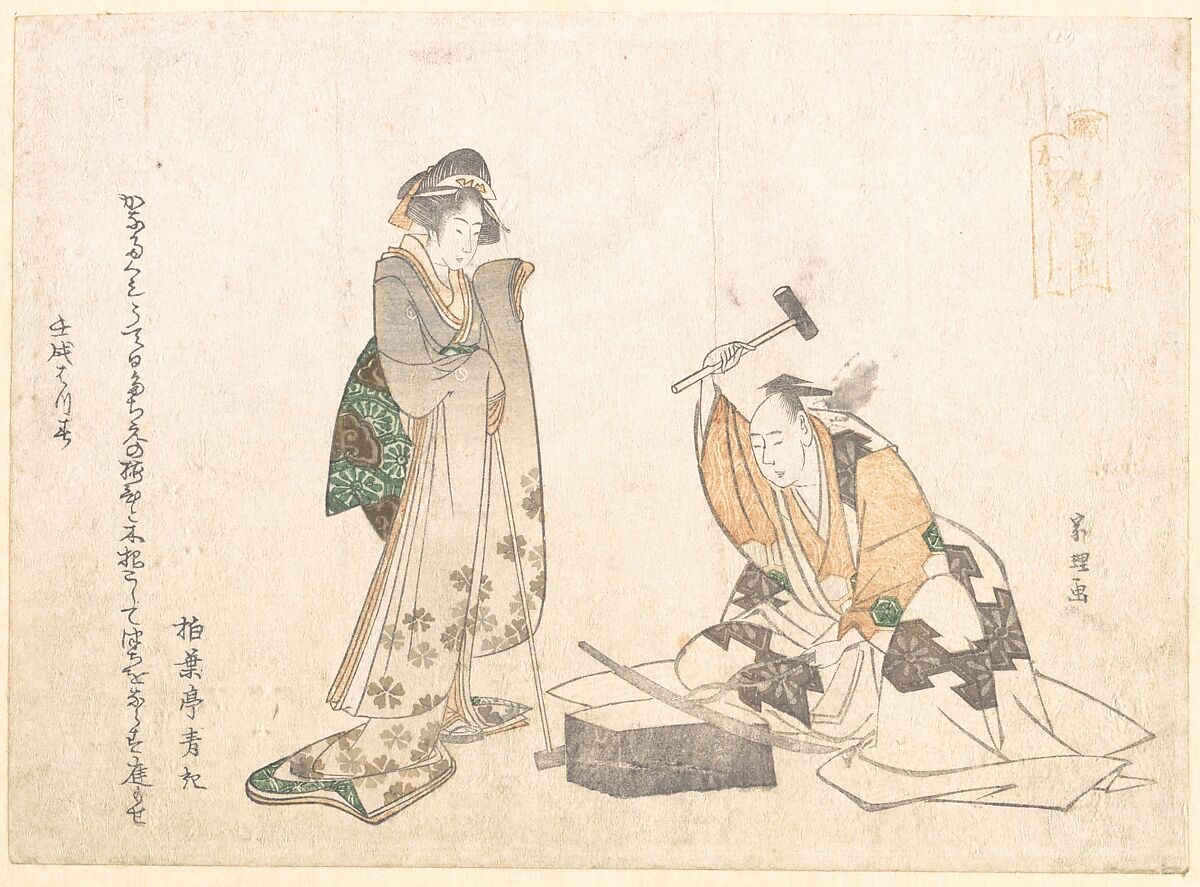
In old Japan, there were sword-smiths.
They never knew whose hand would hold their blade, or what it would be swung for. Whether it served honor, or something else. Good and evil lived in the hand that held it, not in the hand that forged it.
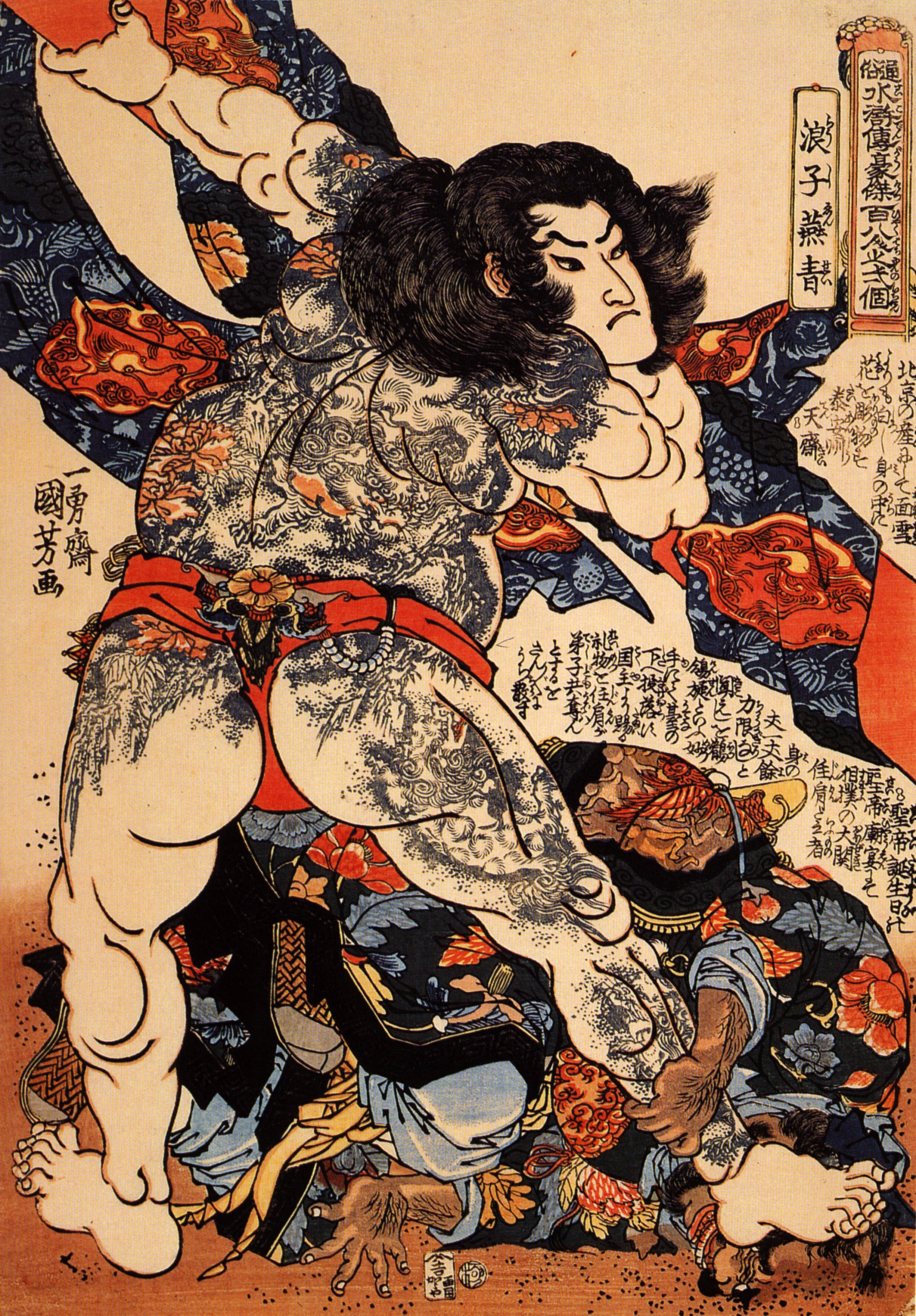
The tebori masters worked the same way. When they cut ink into skin, they never asked whose skin it was. They just left one honest line, made to last.
A craftsman's job has always been one thing, and one thing only.
To send one well-forged piece into the world.
Good and evil look different to every person. So I hold myself to a single standard.
Build good things.
The name "FFULB" has no meaning. It's five letters that don't exist as a word — chosen on purpose to be a mei, nothing more.
Sword-smiths carved their mei into the tang of the blade. Not to translate themselves, but to leave behind a single mark: I was here.
The meaning isn't in the name. The meaning lives only in what's made.
Made in Japan.
銘
昔の日本に、刀鍛冶がいた。
彼らは自分の打った刀が、誰の手に渡り、何のために振るわれるか、知ることはなかった。誉のためか、そうでないのか。善も悪も、使い手の手の中にある。職人の領分ではなかった。
彫師も同じだった。針と墨で肌に絵を入れる時、持ち主の素性を問わなかった。ただ、渾身の一彫りを、肌に残した。
職人の仕事は、いつも一つだけ。
鍛え抜いた一振りを、世に出すこと。
善も悪も、人によって違う。だから持つ基準はひとつだけ。
いいものを創る。
FFULBという名前に、意味はない。存在しない五文字を、あえて自分の銘(めい)とした。
刀鍛冶は刀の中子(なかご)に自分の印を刻む。意味を翻訳するためじゃない。ここに在ったと、言い残すために。
意味は、名前の中にはない。意味は、創るものの中にだけある。
Made in Japan.